
Introduction
Toronto’s skyline is a testament to ambition, with towering structures defining the city’s rapid urban evolution. As Canada’s largest metropolis, Toronto faces immense pressure to accommodate a growing population, projected to reach over 7 million in the Greater Toronto Area (GTA) by 2031. This demand has fueled a boom in multi-storey developments, from sleek high-rises to mid-rise condominiums, transforming neighborhoods and addressing housing shortages. However, the path to erecting these buildings is fraught with obstacles, making challenges in multi storey construction Toronto a critical topic for developers, policymakers, and residents alike.
At the heart of these issues lies a complex interplay of regulatory, economic, and environmental factors. Rising material costs, stringent zoning laws, and labor shortages have slowed projects, contributing to the city’s housing crisis. For instance, with construction costs surging by up to 20% in recent years due to global supply chain disruptions, developers often grapple with budget overruns and delays. Moreover, Toronto’s push for denser urban living clashes with community concerns over infrastructure strain and environmental impact. Yet, these challenges are not insurmountable. Innovative solutions like modular construction and streamlined approvals are emerging, offering pathways to efficient, sustainable builds.
This article delves into the key challenges in multi storey construction Toronto, exploring their roots and practical resolutions. By understanding these hurdles, stakeholders can better navigate the landscape, ultimately fostering a more resilient and inclusive city. We’ll examine zoning complexities, project timelines, safety protocols, and more, providing insights to help outperform existing resources on this vital subject.
Understanding the Core Challenges in Multi-Storey Developments
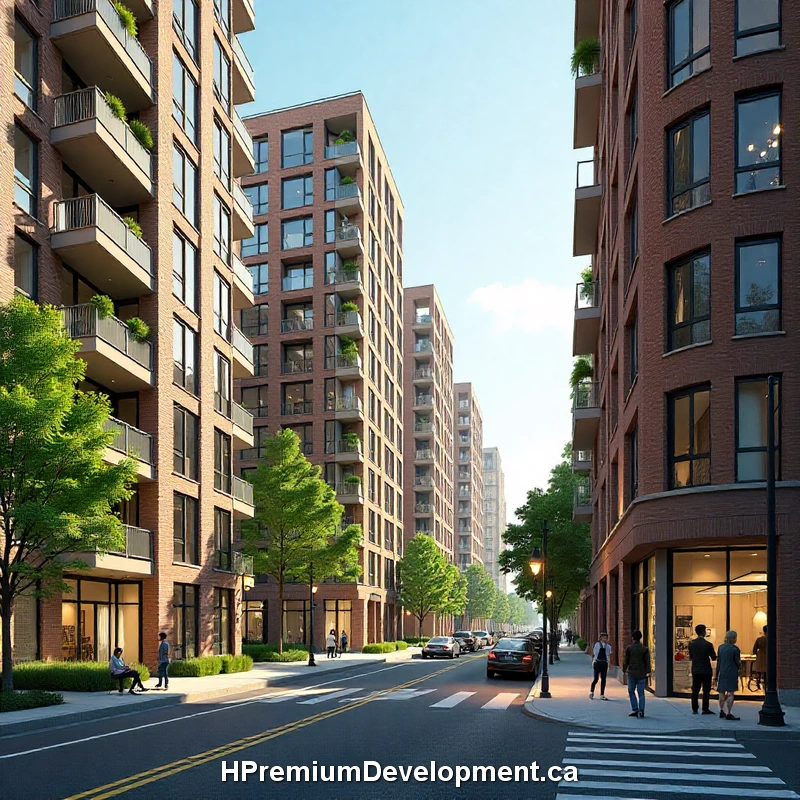
Multi-storey developments in Toronto encompass a range of structures, from mid-rise buildings (six to 20 storeys) to towering high-rises exceeding 30 floors. These projects are essential for densification but introduce unique complications compared to low-rise builds. One primary challenge is the escalating cost of construction. Materials like steel and concrete have seen price hikes, exacerbated by inflation and supply issues post-pandemic. Developers report that high-rise projects can cost 30-50% more per square foot than mid-rises due to specialized engineering needs, such as reinforced foundations to withstand Toronto’s variable soil conditions.
Regulatory hurdles further complicate matters. Toronto’s planning process involves multiple layers of approval from city councils, heritage boards, and environmental agencies. Delays in obtaining permits can stretch timelines by months or years, with bureaucratic red tape often cited as a barrier to innovation. For example, environmental assessments for tall buildings must address shadow impacts, wind tunnels, and green space preservation, adding layers of scrutiny.
Labor shortages pose another significant issue. The construction industry in Ontario faces a deficit of skilled workers, including crane operators and structural engineers, leading to project slowdowns. Safety concerns amplify this, as high-altitude work demands rigorous training. Additionally, community opposition—often rooted in fears of over-densification—can trigger appeals and revisions, as seen in debates over mid-rise integrations in residential neighborhoods.
Environmental challenges cannot be overlooked. Toronto’s commitment to net-zero goals means multi-storey builds must incorporate sustainable features, like energy-efficient systems, which increase upfront costs. Climate change adds risks, such as extreme weather impacting construction schedules. Overall, these elements create a multifaceted puzzle that demands adaptive strategies.
The Benefits of Overcoming These Construction Hurdles
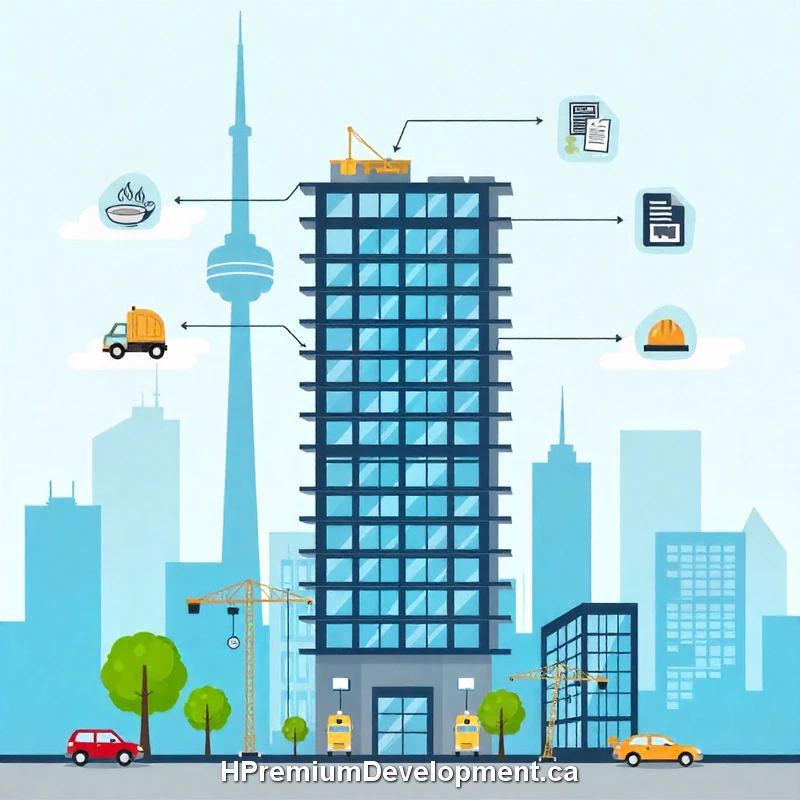
Addressing the challenges in multi storey construction Toronto yields substantial rewards for the city, economy, and residents. Firstly, successful navigation of these issues accelerates housing supply, crucial amid Toronto’s affordability crisis. By streamlining processes, developers can deliver thousands of units faster, reducing wait times for buyers and renters. This densification supports vibrant communities, mixing residential, commercial, and recreational spaces to foster walkable neighborhoods.
Economically, overcoming hurdles boosts job creation and investment. The construction sector employs over 100,000 in the GTA, and efficient multi-storey projects stimulate related industries like manufacturing and tech. Modular construction, for instance, reduces on-site labor needs by up to 50%, cutting costs and timelines while minimizing waste. This innovation not only lowers expenses but also attracts foreign investment, positioning Toronto as a leader in sustainable urban development.
Environmentally, solutions promote greener builds. Incorporating advanced materials and designs, such as cross-laminated timber, reduces carbon footprints—vital as construction accounts for 11% of global emissions. Benefits extend to resilience against climate events, with features like flood-resistant basements enhancing long-term viability.
Socially, resolved challenges lead to inclusive growth. Multi-storey developments can include affordable housing quotas, bridging wealth gaps and supporting diverse populations. Enhanced safety standards ensure occupant well-being, while community engagement mitigates opposition, building consensus.
Ultimately, these benefits create a ripple effect: a more livable Toronto with improved transit integration, reduced sprawl, and economic vitality. By prioritizing solutions, the city can transform obstacles into opportunities for innovation and progress.
Overcoming Zoning Issues for Multi Storey Projects
Continuing from the foundational challenges and benefits discussed, one of the most persistent barriers in challenges in multi storey construction Toronto is zoning regulations. These laws dictate land use, height limits, and density, often clashing with the need for taller, more efficient developments. Historically, Toronto’s zoning favored single-family homes in vast “yellowbelt” areas, restricting multi-storey projects to downtown cores. This exclusionary approach has fueled housing shortages, but recent reforms offer hope.
To overcome zoning issues, developers must engage early with the City’s Expanding Housing Options in Neighbourhoods (EHON) program, which has phased out restrictive bylaws. For instance, as of 2025, permissions for multiplexes up to six units in low-rise zones have been expanded citywide, allowing mid-rise integrations without lengthy appeals. Key strategies include pre-application consultations to align proposals with official plans, reducing rejection risks.
Community buy-in is crucial. Zoning disputes often arise from NIMBYism (Not In My Backyard), where residents fear traffic or character changes. Developers can mitigate this through transparent public meetings and incorporating feedback, such as adding green spaces. Financial incentives help too; the elimination of development charges (DCs) for projects with four or fewer units eases costs, while GST rebates for larger multi-storey builds encourage compliance.
Technological tools like digital modeling aid in demonstrating compliance with zoning for shadow and setback rules. Partnering with legal experts in zoning bylaw amendments (ZBLAs) can expedite variances. Successful cases, like the rezoning for sixplexes in residential neighborhoods, show that proactive advocacy can cut approval times by months. By leveraging these approaches, developers not only navigate zoning but also contribute to equitable urban growth, turning potential roadblocks into streamlined pathways.
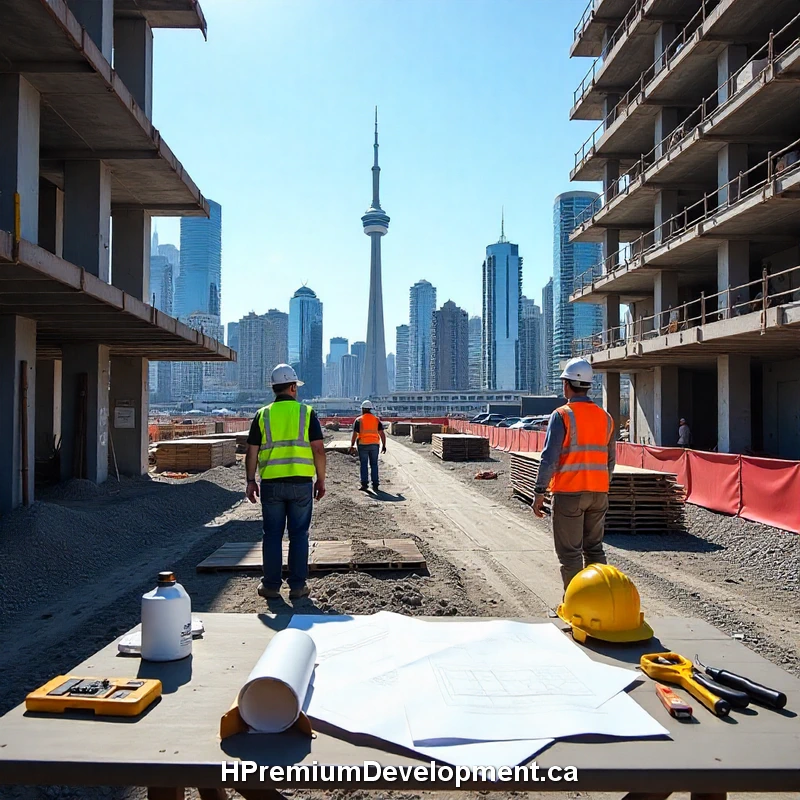
Timeline For Multi Storey Developments GTA: What to Expect
Project timelines in the GTA represent another core aspect of challenges in multi storey construction Toronto, often extending far beyond initial estimates due to layered processes. Understanding this sequence is vital for budgeting and planning. Typically, a multi-storey development spans 3-5 years from concept to occupancy, divided into planning, approval, construction, and handover phases.
The approval process alone averages 20-25 months in Toronto, involving site plan applications, environmental reviews, and council endorsements. Recent improvements, like the City’s dedicated division for speeding approvals, have reduced wait times by up to 80% for major projects, approving over 46,000 homes in 2025. In the broader GTA, timelines vary by municipality—shorter in suburbs like Mississauga (around 18 months) but longer in dense areas.
Construction follows, lasting 18-36 months for high-rises, depending on height and complexity. Mid-rises (6-20 storeys) might take 12-18 months, while supertalls exceed three years. Factors like weather delays in Toronto’s harsh winters or supply chain issues can add 3-6 months. Modular methods shorten this by 30-50%, as off-site assembly overlaps with site prep.
Post-construction includes inspections and occupancy permits, adding 2-4 months. Developers can accelerate timelines by using tech like concrete monitoring to predict curing times, slashing delays. Overall, anticipating these stages helps manage expectations and costs in the dynamic GTA market.
Comparing Challenges in Multi-Storey Construction Across Canadian Cities
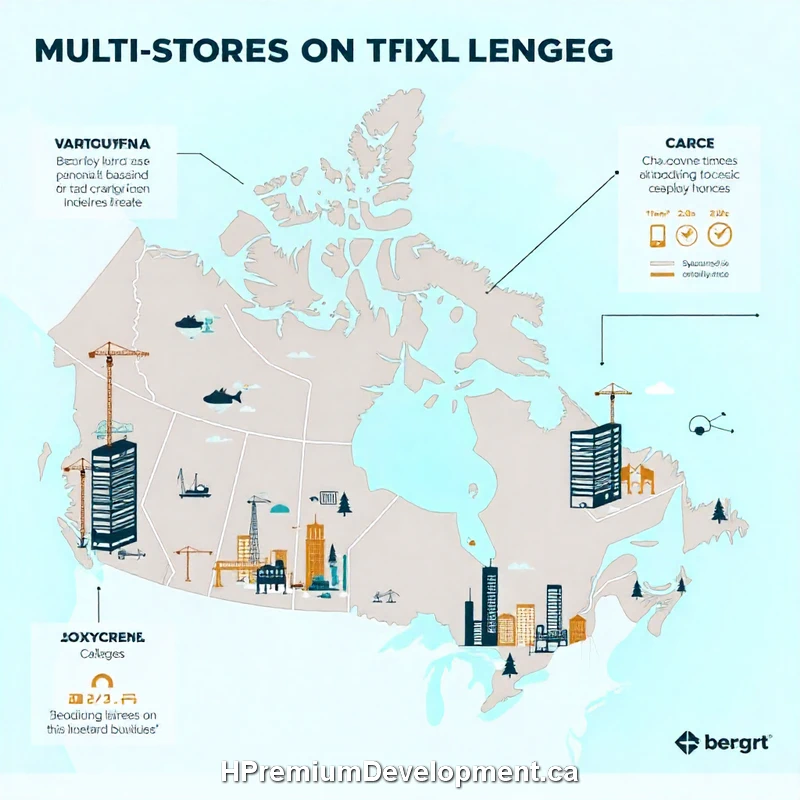
To contextualize challenges in multi storey construction Toronto, a comparative analysis with other major Canadian cities reveals shared and unique issues. Toronto’s hurdles—high costs, zoning delays, and labor shortages—are amplified by its density, but solutions like modular adoption offer lessons. Vancouver faces similar zoning battles but benefits from faster approvals (average 18 months vs. Toronto’s 25), thanks to provincial overrides. Montreal emphasizes heritage preservation, adding complexity, while Calgary deals with economic volatility from oil markets.
The table below compares key metrics:
| City | Approval Timeline (Months) | Average Construction Time (High-Rise) | Key Challenge | Primary Solution Strategy |
|---|---|---|---|---|
| Toronto | 20-25 | 24-36 months | Zoning and cost inflation | Modular construction, EHON reforms |
| Vancouver | 15-20 | 20-30 months | Seismic regulations | Prefab integration, density bonuses |
| Montreal | 18-24 | 22-32 months | Heritage impacts | Adaptive reuse incentives |
| Calgary | 12-18 | 18-28 months | Labor mobility | Tech-driven efficiency |
This comparison highlights Toronto’s longer timelines but stronger sustainability focus, per the Toronto Green Standard. By benchmarking, developers can adopt best practices, such as Vancouver’s prefab tech, to mitigate local pains.
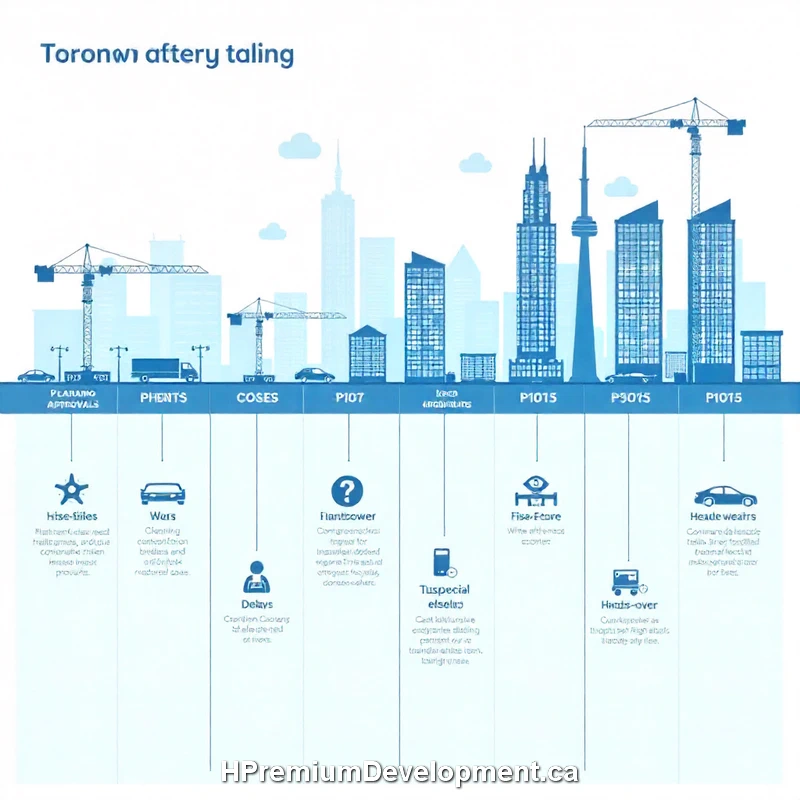
Practical Tips and Solutions for Successful High-Rise Builds
Tackling challenges in multi storey construction Toronto requires actionable strategies. Start with thorough pre-planning: Conduct site assessments early to identify soil or environmental issues, using geotechnical experts to avoid costly surprises.
For zoning, collaborate with planners via pre-consultation meetings to refine proposals. Incorporate community input to preempt opposition—offer amenities like parks to gain support.
On timelines, employ project management software for real-time tracking. Adopt modular construction to parallelize tasks, reducing on-site time by 40%. Partner with suppliers for just-in-time deliveries to combat material shortages.
Safety is paramount; adhere to Ontario’s Occupational Health and Safety Act, mandating fall protection and regular audits. For high-rises, implement fire-resistant designs per Toronto’s guidelines, including compartmentalization and sprinkler systems.
Budget wisely: Allocate 10-15% contingencies for inflation. Explore incentives like the Deep Retrofit Challenge for energy upgrades. Finally, foster team collaboration with integrated project delivery models to ensure seamless execution.
These tips, drawn from successful projects, empower developers to build resilient, efficient structures. You can read Multi Storey Mixed Use Toronto: Transforming Urban Living in the Heart of the City.

FAQs about Challenges In Multi Storey Construction Toronto
What are the main regulatory challenges in Toronto? Zoning and permitting delays top the list, often due to environmental and community reviews. Recent reforms allow up to six-unit multiplexes, easing some barriers.
How long does approval take for a multi-storey project? On average, 20-25 months, though streamlined processes have cut this for some applications.
What safety standards apply to high-rises? Toronto mandates fire-resistant materials, evacuation plans, and compliance with the Building Code, including seismic considerations.
How can costs be controlled? Use modular methods and tech monitoring to reduce labor and delays, potentially saving 20-30%.
Are there solutions for labor shortages? Training programs and automation, like 3D printing, help bridge gaps. You can read Multi Storey Condo Toronto.
Conclusion
In summary, challenges in multi storey construction Toronto—from zoning to safety—demand innovative approaches, but the rewards of resilient urban growth are profound. By embracing solutions like modular tech and reforms, Toronto can lead in sustainable development. Stakeholders must collaborate to build a thriving future. See hamoon_premium_development in Instagram.