
Introduction
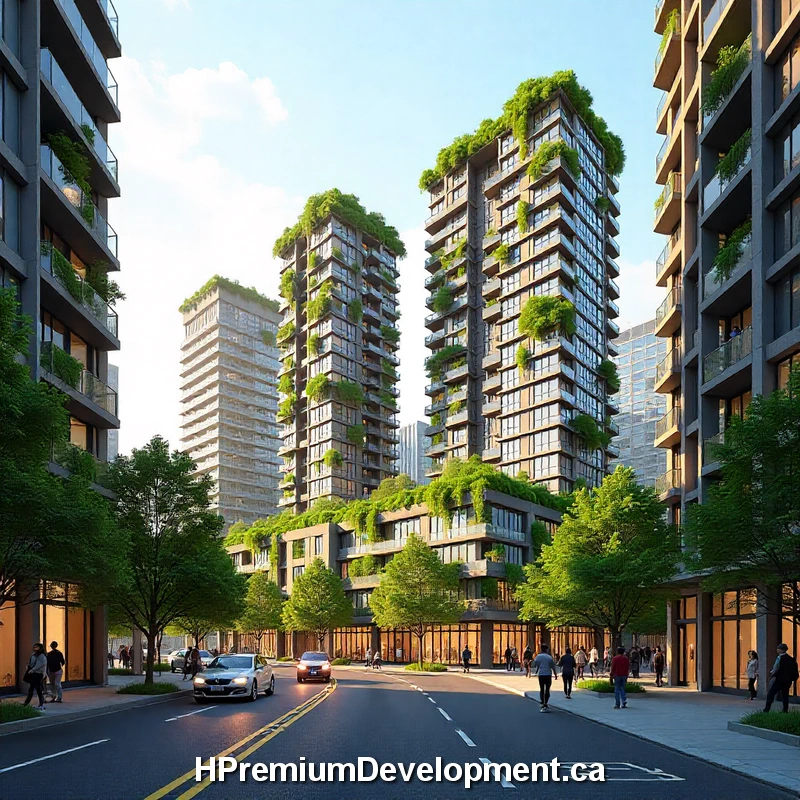
In the bustling heart of major cities like Toronto, urban growth is skyrocketing, pushing developers and city planners to rethink how we build upward. Sustainable multi storey developments are emerging as a game-changer, blending innovative design with environmental responsibility to create livable spaces that don’t compromise the planet. At the core of this movement are the sustainable multi storey developments benefits, which extend far beyond mere aesthetics—they promise reduced carbon footprints, lower energy costs, and enhanced quality of life for residents. As cities grapple with climate change, population density, and resource scarcity, these high-rise projects are proving essential for a greener future.
Take the Greater Toronto Area (GTA), for instance, where eco-friendly high rise projects are transforming skylines. From mass timber constructions that sequester carbon to energy-efficient systems that slash utility bills, these developments are setting new standards. According to recent studies, buildings account for nearly 40% of global greenhouse gas emissions, making sustainable approaches not just optional but imperative. In Toronto, initiatives like the Toronto Green Standard are driving this shift, encouraging developers to incorporate green roofs, solar panels, and efficient water systems.
The sustainable multi storey developments benefits are multifaceted, offering economic savings through reduced operational costs, environmental gains by minimizing waste and pollution, and social advantages like healthier living environments. As we delve deeper, we’ll explore what defines these developments and their key advantages, focusing on real-world examples from major cities. Whether you’re a homeowner, investor, or urban enthusiast, understanding these benefits can help you appreciate why sustainable multi storey developments are the way forward in our increasingly vertical world.
What Are Sustainable Multi-Storey Developments?
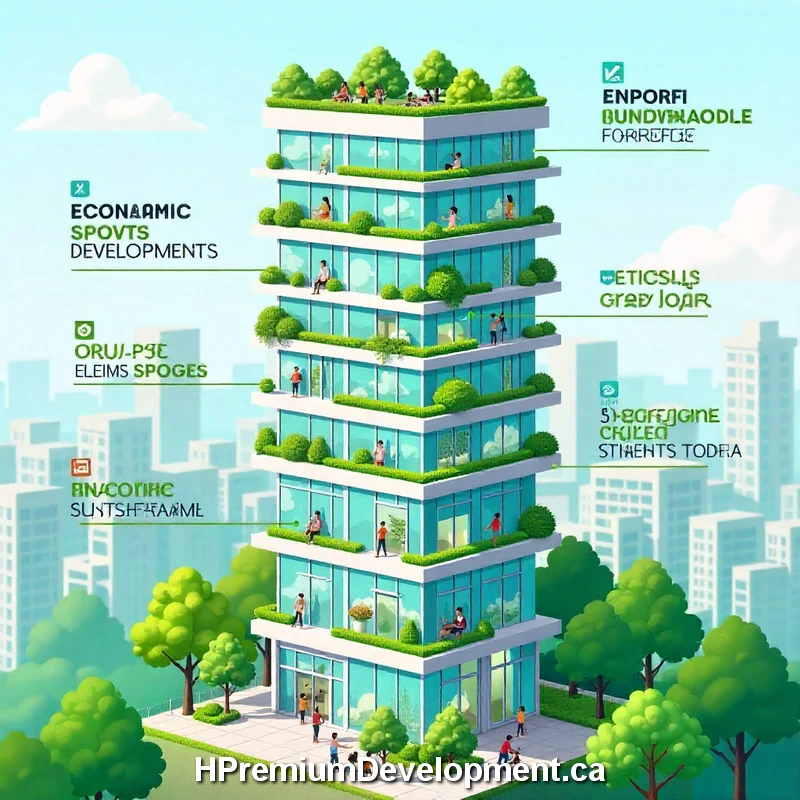
Sustainable multi-storey developments refer to high-rise buildings designed with long-term environmental, economic, and social viability in mind. Unlike traditional constructions that prioritize speed and cost over ecology, these projects integrate principles of sustainability from the ground up. This includes using eco-friendly materials, optimizing energy use, and incorporating features that promote biodiversity and resource conservation. In major cities, where land is premium and urban sprawl is unsustainable, these developments maximize vertical space while minimizing ecological impact.
At their foundation, sustainable multi-storey developments often employ advanced materials like mass timber, which is renewable and has a lower carbon footprint than concrete or steel. For example, mass timber sequesters carbon, helping combat climate change. They also feature passive design elements, such as strategic orientation for natural lighting and ventilation, reducing reliance on artificial heating and cooling. Water management systems, like rainwater harvesting and greywater recycling, are common, ensuring efficient resource use.
In cities like Toronto, these developments align with local regulations such as the Toronto Green Standard, which mandates tiers of sustainability performance. Projects may include green roofs that insulate buildings and support urban wildlife, or integrated renewable energy sources like solar panels. Certifications play a crucial role, verifying that the building meets rigorous standards for energy efficiency and environmental stewardship.
Beyond the technical aspects, sustainable multi-storey developments foster community. They often include mixed-use spaces—residential units alongside retail, offices, and green areas—promoting walkability and reducing transportation emissions. In the GTA, examples abound, from net-zero homes to LEED-certified condos that demonstrate how urban density can coexist with nature. Ultimately, these developments represent a holistic approach to city building, ensuring that growth benefits both people and the planet without sacrificing modern comforts.
The Key Benefits of Sustainable Multi-Storey Developments
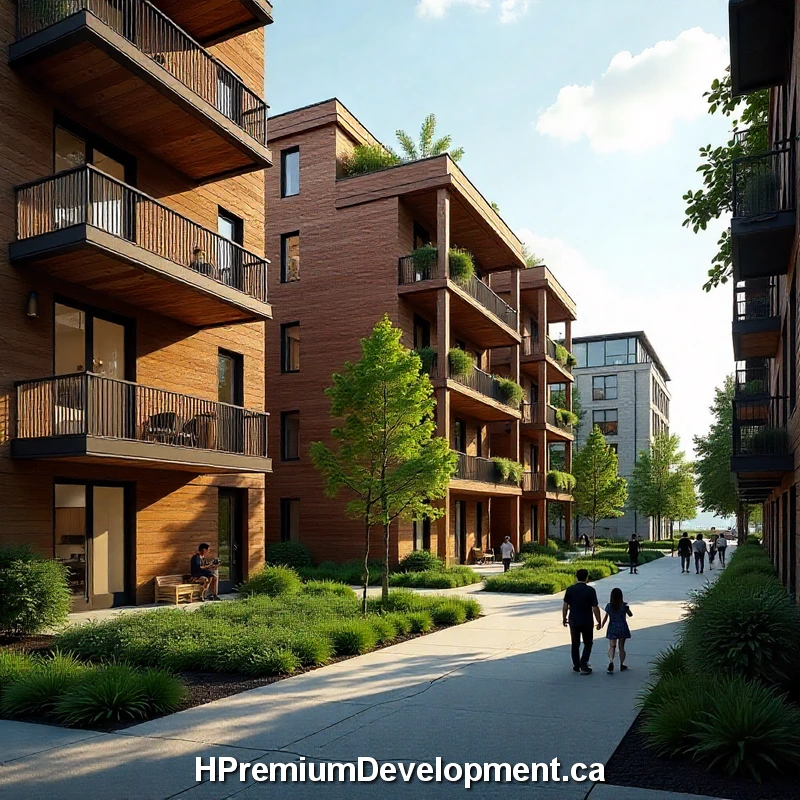
The sustainable multi storey developments benefits are compelling, making them a smart choice for urban expansion. One primary advantage is environmental protection. These buildings significantly cut greenhouse gas emissions through energy-efficient designs and renewable materials. For instance, prefab multi-storey structures reduce construction waste by up to 90%, as components are manufactured off-site in controlled environments. This not only lowers the carbon footprint but also minimizes on-site disruption in densely populated cities.
Economic Savings and Efficiency
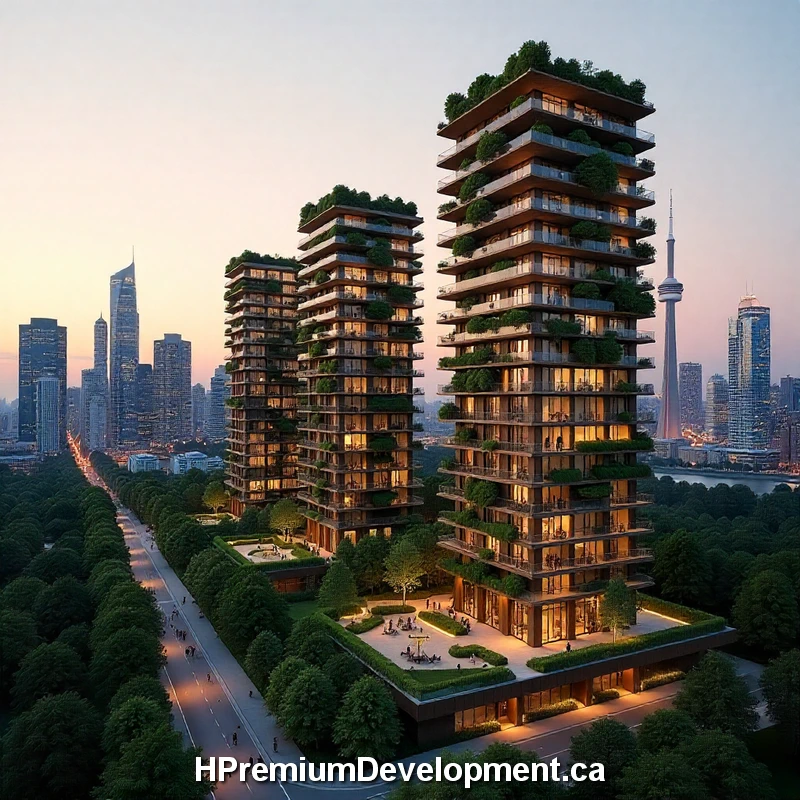
Economically, the benefits shine through long-term cost reductions. Energy-efficient features like insulated panels and smart HVAC systems can slash utility bills by 20-30%. In Toronto, where energy costs are rising, this translates to substantial savings for residents and developers alike. Faster construction times—often halved with modular methods—further reduce labor and financing expenses, leading to quicker returns on investment.
Health and Well-Being Enhancements
On the social front, these developments promote healthier lifestyles. Improved indoor air quality from better ventilation and non-toxic materials reduces health risks, while green spaces like rooftops and courtyards encourage outdoor activity and mental well-being. Studies show that access to nature in urban settings can lower stress levels and boost community cohesion.
Resilience and Future-Proofing
Finally, sustainable multi-storey developments offer resilience against climate challenges. Features like stormwater management and seismic-resistant designs ensure longevity, protecting investments in volatile environments. In major cities facing extreme weather, this durability is invaluable. Overall, the sustainable multi storey developments benefits create a win-win for economies, environments, and societies, paving the way for thriving urban futures.
Eco-Friendly High Rise Projects in the GTA
Building on the foundation of sustainable multi-storey developments, the Greater Toronto Area (GTA) is a hotspot for eco-friendly high rise projects that exemplify these principles in action. These initiatives are not just about building taller; they’re about building smarter, with a focus on reducing environmental impact while enhancing urban livability. In the GTA, where population growth demands innovative housing solutions, eco-friendly high rise projects GTA are leading the charge toward net-zero communities.
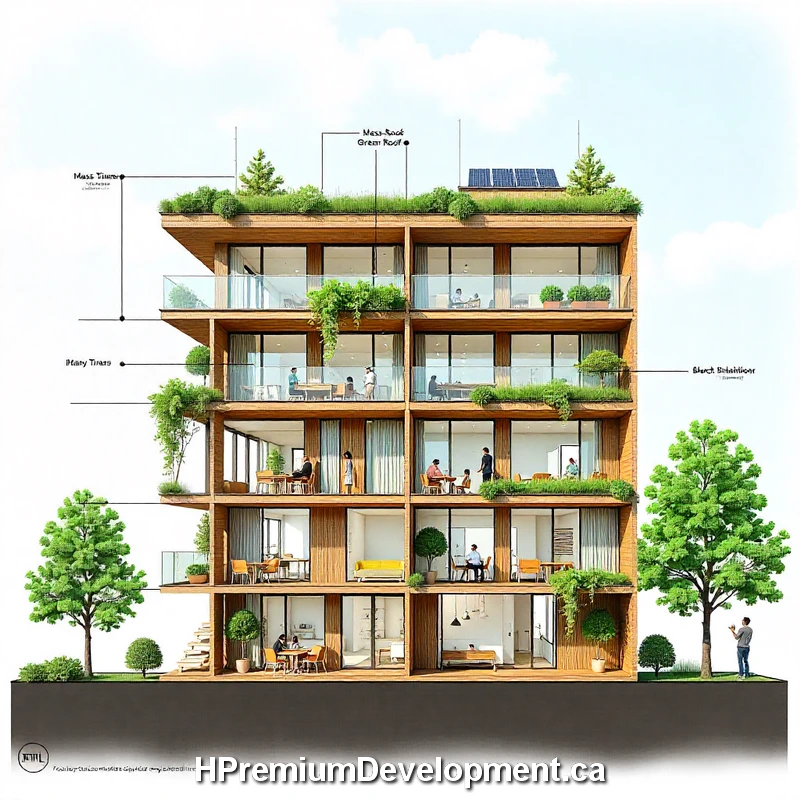
One standout example is the Grain Lofts in Toronto’s Junction Triangle. This six-storey mass-timber building uses FSC-certified wood, minimizing concrete and steel usage. Its features include private balconies, a stormwater-managing courtyard, and energy-efficient designs that promote natural light and ventilation. Residents benefit from lower energy costs and a smaller carbon footprint, aligning with the sustainable multi storey developments benefits.
Another notable project is Timber House at Quayside, a 12-storey all-electric structure part of a zero-carbon community. It incorporates urban farms, forested green spaces, and playful balconies, fostering biodiversity in an urban setting. This development addresses housing affordability with over 800 units, while its mass-timber construction sequesters carbon, contributing to climate goals.
In Markham, Everhome targets LEED Silver certification with geothermal heating, green roofs, and EV charging stations. Proximity to transit reduces car dependency, cutting emissions further. Similarly, King Toronto’s 16-storey complex features a living facade with integrated plants and a rainwater-to-mist system, boosting air quality and aesthetics.
These eco-friendly high rise projects GTA also drive economic growth by creating jobs in green construction and attracting eco-conscious buyers. Benefits include up to 30% energy savings from solar panels and efficient systems, healthier indoor environments, and resilient designs against urban heat islands. As Toronto pushes for more such projects under its Green Standard, they set a benchmark for sustainable urbanism, proving that high-rises can harmonize with nature.
Green Certifications for Multi Storey Apartments
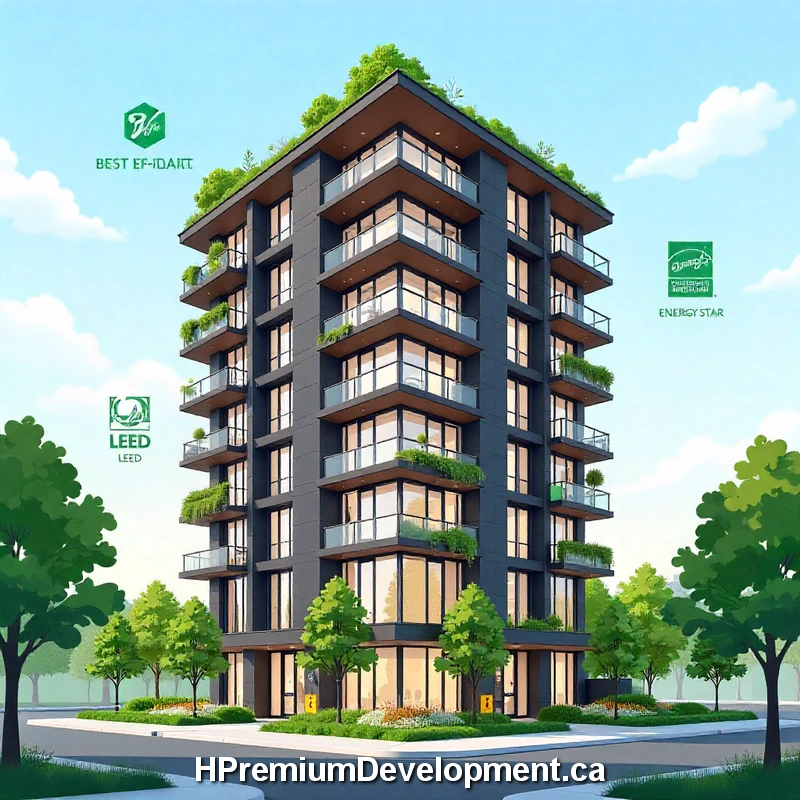
Achieving green certifications for multi storey apartments is a critical step in validating the sustainability of these developments, ensuring they meet global standards for eco-performance. These certifications provide a framework for developers to incorporate best practices, from energy efficiency to material sourcing, ultimately amplifying the sustainable multi storey developments benefits.
The most prominent is LEED (Leadership in Energy and Environmental Design), issued by the U.S. Green Building Council. For multi-storey apartments, LEED evaluates categories like energy savings, water efficiency, and indoor air quality. Buildings achieving LEED Gold or Platinum, like Toronto’s Minto 775 or The Plant Condos, often feature green roofs and pollinator gardens, reducing utility costs by 20-30% and enhancing resident health.
ENERGY STAR certification focuses on energy performance, requiring buildings to be at least 15% more efficient than code standards. In multi-family settings, this translates to lower bills and reduced emissions, with features like high-efficiency appliances and insulation. Toronto examples include the TD Centre Complex with its LEED Platinum status and green roof that cuts water use.
The WELL Building Standard emphasizes health and well-being, assessing air, water, nourishment, and more. It’s increasingly applied to apartments, promoting features like advanced filtration systems. Enterprise Green Communities Criteria offers a checklist for affordable housing, covering site selection and material health.
Benefits of these certifications include market appeal—certified buildings often command higher rents—and financial incentives like rebates. They also ensure long-term resilience, with lower maintenance costs. In the GTA, projects like Queen & Ashbridge meet Toronto Green Standard Tier 2, incorporating geothermal systems and stormwater reuse. Overall, green certifications for multi storey apartments not only verify sustainability but also drive innovation, making urban living greener and more efficient.
Comparing Sustainable vs. Traditional Multi-Storey Developments
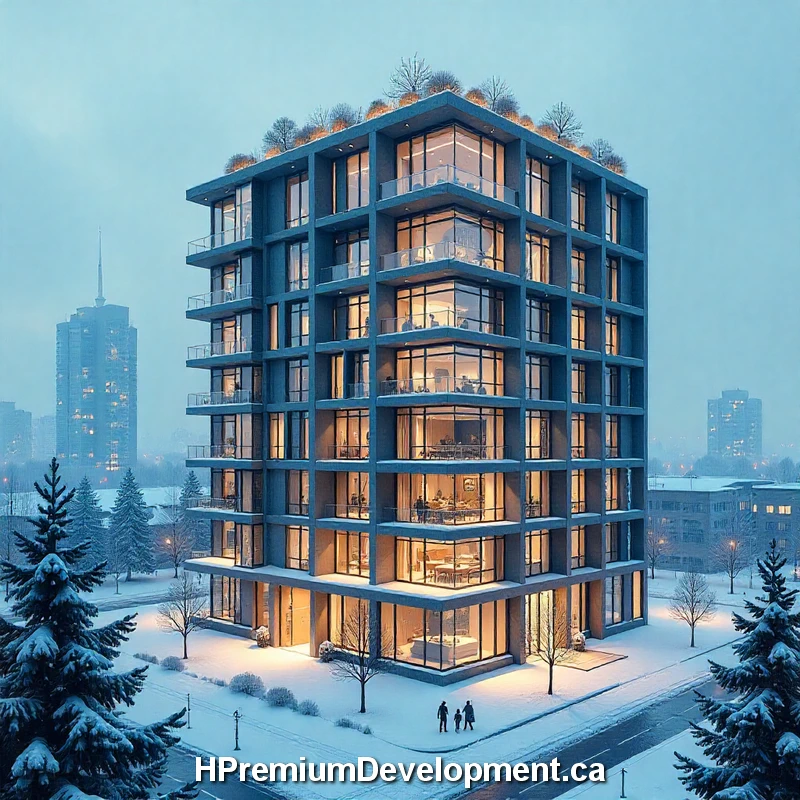
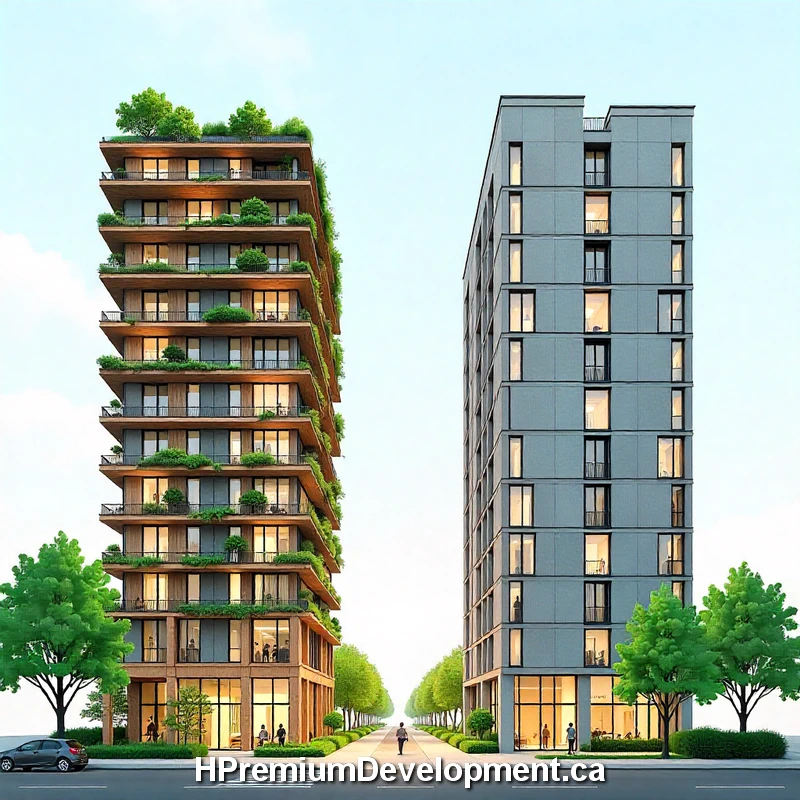
When evaluating multi-storey developments, a comparison between sustainable and traditional approaches highlights why the former is gaining traction in major cities. Sustainable designs prioritize eco-efficiency, while traditional ones often focus on cost and speed, leading to higher long-term impacts. This analysis reveals key differences in environmental, economic, and social aspects.
Sustainable developments use renewable materials like mass timber, reducing embodied carbon by up to 50% compared to concrete-heavy traditional builds. They incorporate energy-efficient systems, cutting operational emissions, whereas traditional buildings rely on fossil fuels, contributing more to climate change.
Economically, sustainable options offer lower lifecycle costs through energy savings and durability, though initial investments may be higher. Traditional builds are cheaper upfront but incur ongoing expenses from inefficiencies. You can read High Rise Development in Toronto: Transforming the Urban Landscape.
Socially, sustainable projects enhance well-being with better air quality and green spaces, unlike traditional ones that may exacerbate urban heat.
| Aspect | Sustainable Multi-Storey Developments | Traditional Multi-Storey Developments |
|---|---|---|
| Environmental Impact | Low: Renewable materials, energy efficiency, waste reduction | High: High carbon emissions, resource-intensive |
| Energy Consumption | 20-30% lower with smart systems and renewables | Standard or higher, reliant on grid power |
| Construction Time | Faster with prefab (50% reduction) | Longer on-site builds |
| Cost Over Time | Higher initial, but savings up to 30% on utilities | Lower initial, higher maintenance and energy bills |
| Health Benefits | Improved air quality, access to nature | Basic, potential for poor ventilation |
| Resilience | High: Designed for climate adaptation | Moderate: Vulnerable to extreme weather |
This table underscores the superior sustainable multi storey developments benefits, making them ideal for future-proof urban growth in places like Toronto.
Tips for Implementing Energy Efficient Multi Storey Designs in Toronto
Implementing energy efficient multi storey designs Toronto requires strategic planning to align with local regulations and maximize benefits. Start by conducting an energy audit during the design phase to identify opportunities for optimization, such as building orientation for solar gain.
Incorporate passive strategies: Use high-performance windows and insulation to minimize heat loss, common in Toronto’s cold winters. Green roofs and walls not only insulate but also manage stormwater, complying with the Toronto Green Standard.
Integrate renewables like solar PV panels and geothermal systems for net-zero potential. Smart technologies, including IoT for HVAC control, can reduce energy use by 15-20%.
Choose sustainable materials: Opt for mass timber or recycled content to lower embodied energy. Prefabrication speeds construction and reduces waste.
Collaborate with experts: Engage architects specializing in Passive House standards for airtight envelopes. Seek certifications like LEED to access incentives.
Monitor post-construction: Use BMS for ongoing performance tracking. In Toronto, trends like modular builds and AI analytics are key for 2025 efficiency. These tips ensure designs deliver the sustainable multi storey developments benefits while meeting urban demands.
FAQs about Sustainable Multi Storey Developments Benefits
What are the main environmental sustainable multi storey developments benefits? They reduce carbon emissions through efficient designs and renewables, with features like green roofs mitigating urban heat and improving air quality.
How do these developments save money? Energy efficiency cuts utility bills by 20-30%, and faster construction lowers costs, providing long-term ROI.
Are sustainable multi-storey buildings more durable? Yes, they use resilient materials and designs that withstand weather, extending lifespan and reducing maintenance.
What role do certifications play in these benefits? Certifications like LEED ensure standards are met, enhancing market value and eligibility for incentives.
Can they improve resident health? Absolutely, with better ventilation and green spaces promoting well-being and reducing stress.
Are they feasible in cold climates like Toronto? Yes, with insulation and geothermal systems tailored for efficiency in varying weather.
Conclusion
Sustainable multi storey developments in major cities like Toronto represent the future of urban living, delivering profound benefits in environmental stewardship, economic efficiency, and social well-being.
By embracing these innovative approaches, we can create resilient, vibrant communities that thrive amid global challenges. As the GTA continues to lead with eco-friendly projects, the path to a sustainable skyline is clear—let’s build it together. See hamoon_premium_development in Instagram.